Yes, You Can Become Dehydrated in Winter
by Cris Blackstone —
Medical professionals point to many reasons why we can become dehydrated during the cold winter months. In fact, according to the Mayo Clinic, we are 40% more likely to suffer ill effects from dehydration in the winter than in the summer. The main reasons for this include the fact that we are less likely to feel thirsty when it’s cold outside – the thirst response isn’t triggered like it is on hot summer days. Feeling less thirsty means it is important to remind yourself (and your coworkers) to take a water break and have water available in your truck or work vehicle. Additionally, with the many layers of clothing absorbing sweat, we don’t feel sweaty, so a thirst response isn’t triggered as when we’re aware of perspiring. With cold air unable to hold the moisture (compared to a hot humid summer day) our lungs loose water vapor with every breath.
Winter or summer, the negative effects of dehydration are the same. From a mild headache to aching muscles, fatigue, and even symptoms requiring medical attention, dehydration is something to always consider. No matter if you are tending to a lush green landscape in the summer or shoveling an icy sidewalk on a winter night, be mindful of the health benefits of drinking plenty of water while you’re working.
Considering other health and safety tips for landscape teams working in the winter months, we cannot ignore the more severe effects hypothermia can have on our bodies. The rigorous work required in winter can create a situation in which your body is losing heat through wind and the evaporation of sweat you produce doing physically demanding work. Loss of body heat will cause your temperature to drop, sometimes significantly, and as that body temperature drops, you will experience different phases of hypothermia. Mild symptoms vary, but people will be shivering or feel cold hands and feet. This is because your body is drawing the heat from your hands and feet to the core, protecting your torso and organs.
Stiff muscles are a more intense sensation of hypothermia, and you might write that off to being sore from the repetitive motions of shoveling and moving heavy ice and snow around. We’d hope that before hypothermia becomes any more severe, you’d help a colleague remove wet clothing (gloves first, for instance) and warm up in an indoor environment – the cab of your company vehicle would be the first go-to. Sipping water is beneficial. The tendency to drink hot liquids is one suggestion when trying to warm up and recover from the first uncomfortable stages of ill effects of the cold weather. But your body uses energy to cool down the hot liquid, and that energy is better spent on getting the blood circulating back into the arms, hands, legs, and feet. So make sure the victim is taking sips and not drinking a lot of warm or hot liquid at once. Just as we keep water on hand during the hot summer months, it should be available to all crews during the winter months as well.
If you are experiencing the symptoms of shivering or are encouraging a crew member to address those symptoms, focus on warming the neck and head, then chest and groin area so circulation is restored. With those areas warmed, hands and feet will become more comfortable.
Sources for information and training modules about winter temperature safety are offered through the American Red Cross, Center for Disease Control, and the Mayo Clinic.
Before a person experiences hypothermia, frostbite can be a danger to consider for landscapers doing outdoor work. OSHA training modules include Cold Stress courses. In those courses, you’ll learn to recognize the effects of winter temps on the skin, drive down the skin temperature, and eventually, drive down internal body temperature. If left untreated, skin damage can be irreversible causing nerve damage and sensation will be severely limited. Numbness or tingling in the fingers are the first warning signs of frostbite. The tendency to rub the fingers together is natural, but is the wrong response. That action can cause damage to the nerve endings and will not help warm up the fingers or toes. Don’t put the hands or feet in warm water. Again, this seems at first to be a helpful answer but will only cause damage to the skin tissues and likely cause damage to the nerves, too.
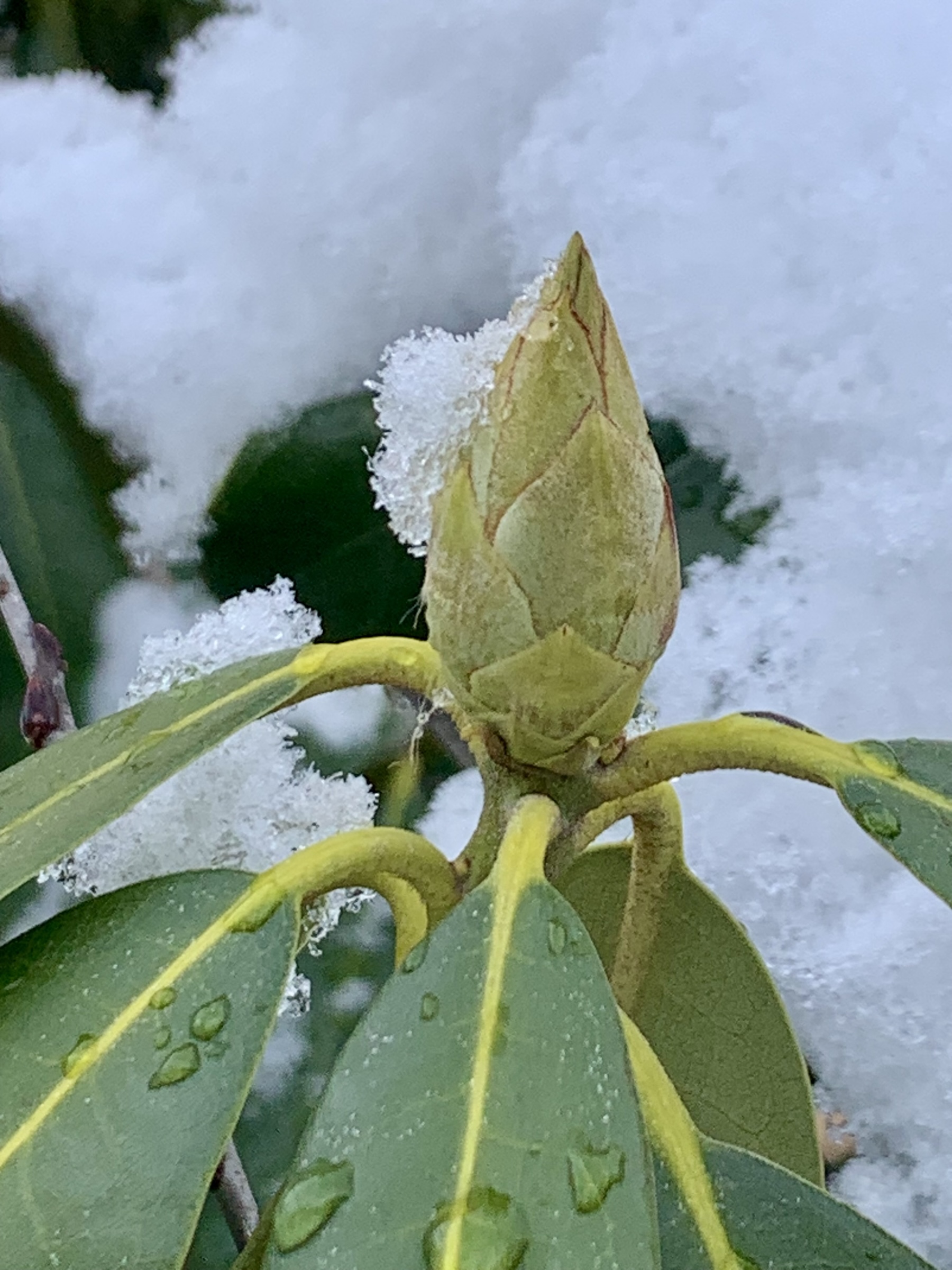
Lead in Photo :
Cold weather responses in plants are complex mechanisms to protect the plant. Our responses to cold weather protect our bodies and circulation, too. Each has a trigger point to protect their life cycles.