Nighttime lighting in our landscapes
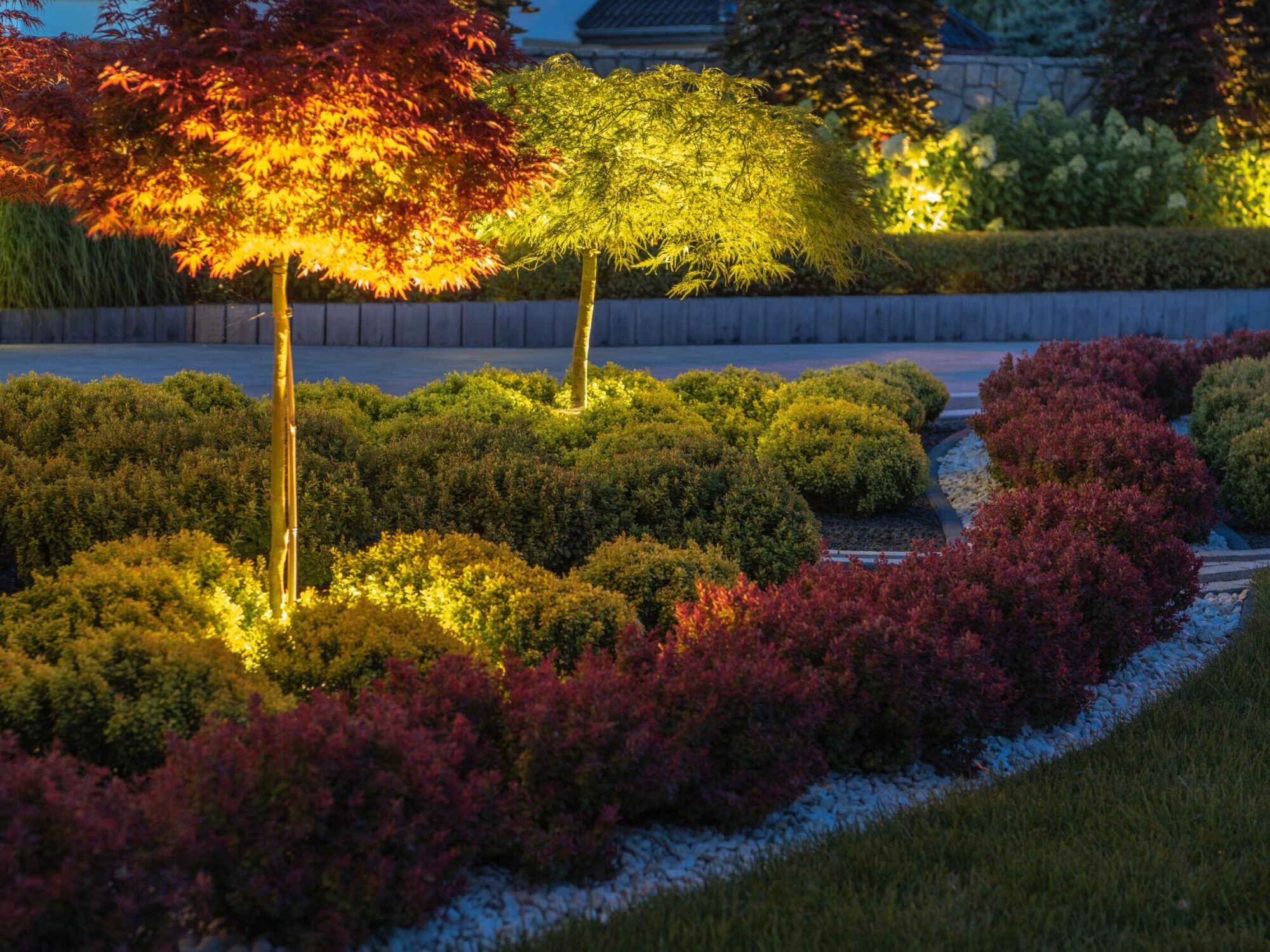
This is the time of year your customers might be reading more about the ways migrating birds suffer from night skies being brighter and brighter, by choice, of homeowners and lack of control from municipalities. With more information, you can give your customers data-driven decisions while appealing to their care and concern for birds and the wildlife in their yards.
Nighttime lighting can affect migrating birds in a multitude of ways. From disturbing their ability to navigate by seeing familiar points on the horizon to disorienting them with the glare the lights can cause on windows or other reflective surfaces, birdstrikes do account for a large number of fatalities. This is a disturbing fact, disrupting many aspects of the cycles of life, that healthy habitat customers care deeply about.
Bright lights after sunset are also harmful to many beneficial bugs and insects, interrupting their breeding cycles, to cite one aspect of the harm caused by the lights. What can be done to help mitigate the deleterious effects of the lights, while offering customers the four-season appeal garden and landscape lights offer?
Learning more about landscape lighting can be as involved as you, your employer, or company want to be. Certifications are available through businesses such as CAST lighting and CREE lighting, which you can search for and see if these companies address your interests and what your customer base might be interested in. With any additional certification, you gain your customers’ confidence and can market yourself as having additional knowledge and professionalism many customers respect and rely on.
As a quick overview of nighttime landscape lighting, we need to acknowledge the benefits to the property owner, including enjoying the scenery you have worked to create and maintain for beauty and relaxation. Extending the view from daylight to twilight and into the night is financially a benefit to the clients! Property owners’ health and well-being is enhanced by a relaxing garden and beautiful landscape scenes. We also need to recognize that the client base is keenly aware of the controversial issues about disrupting wildlife and migration of insects and birds. How to mitigate those issues? (Hint: limit use of blue and violet in lighting; incorporate amber tones, which are especially beneficial to amphibians and turtles – which are beneficial in any garden.)
The Illuminating Engineering Society (IES) is one of the premier go-to’s for this information. Janet Lennox Moyer is recognized as a highly sought-after professional, with forty decades in the architectural lighting field. She pioneered work in educating other professionals about aspects of the field, such as how humans’ perception of light is different from animals’ perception of light. One of her educational philosophies includes, “how nighttime lighting provides visual transportation between scenes.” It’s important to be familiar with lighting concepts so we avoid light pollution and avoid disturbing neighbors! Certainly, putting lights on timers is the first way to ensure minimal disruption.
From there, through commercial, or non-profit certification or from a knowledgeable sales representative of a lighting company, you can share information with your clients about how correctly installed lighting will not harm deciduous trees or evergreens. Janet Lennox Moyer has written many books which are considered the best resources for this topic. The Art of Landscape Lighting is a revered, vetted source for all aspects of landscape lighting. This could be a perfect reference book for your company library or as a gift to valued clients to help demonstrate your level of expertise.
Early outdoor light systems included designs which were directed too close to root flares, and triggered fungi and other diseases. With the knowledge we have now, tree health is preserved. One particularly helpful Fact Sheet comes from the Purdue Cooperative Extension. Check out their “Does Night Lighting Harm Trees?” flyer, which is free and can be downloaded and shared with your clients to help them decide and understand what your company can offer as an additional service for their landscape.
With education, possibly additional certification showing your dedication to professionalism, and communications with your clients, you will be able to share what you learn and how your best management practices consider all the angles of the landscape. Including property owner satisfaction and increased joy with the consideration of healthy wildlife encouragement, you will see increased business opportunities.
Nighttime lighting in your landscapes can bring added appreciation for the hard work you put in to designing, maintaining, and bringing to life the look your clients desire and visualize.
~ by Cris Blackstone